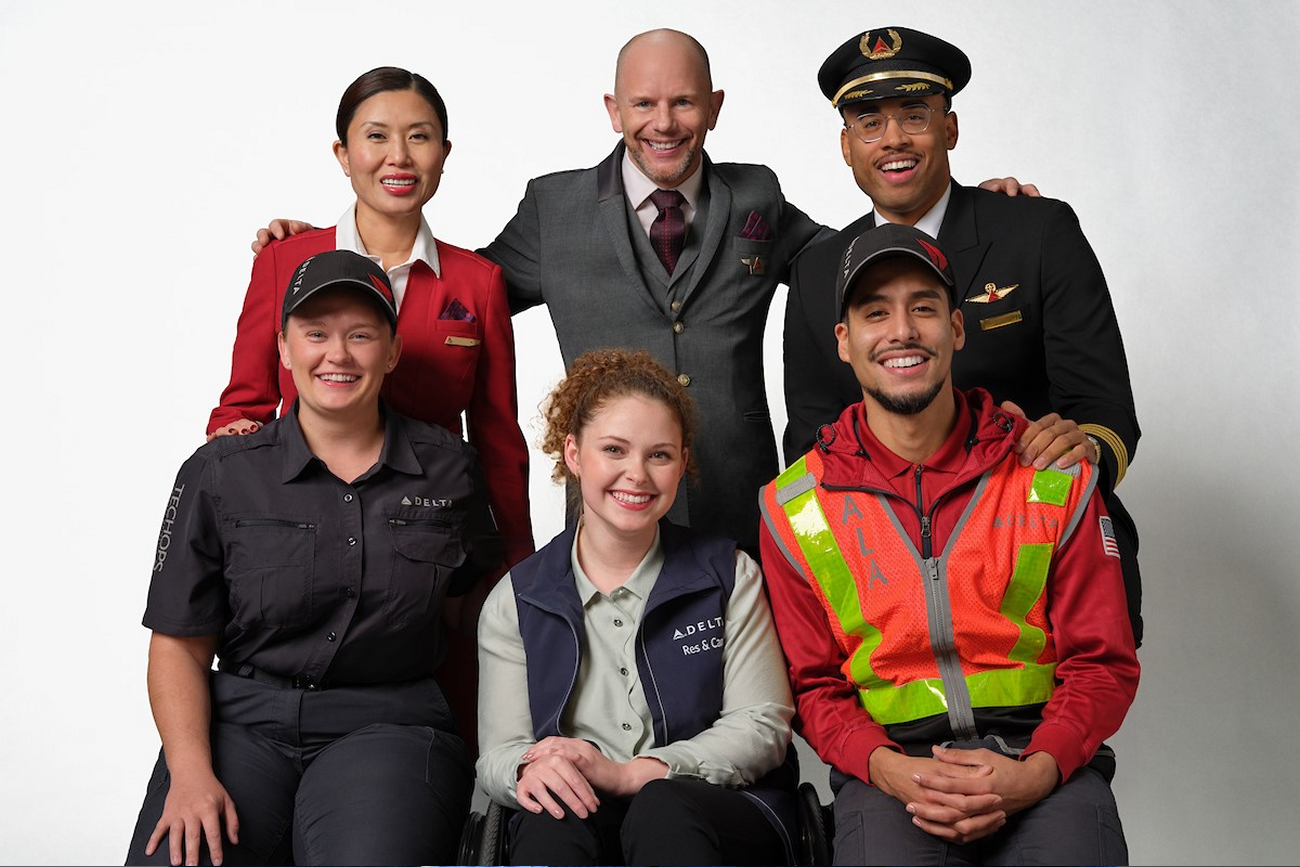


The path to becoming a pilot is one of the most challenging and rewarding career journeys available. It requires discipline, financial planning, technical knowledge, and a strong commitment to safety. Whether your goal is to fly for personal enjoyment or to sit in the cockpit of a commercial airliner, understanding the process from the very beginning is essential. This guide outlines the ten key steps—from your first medical examination to securing a professional flying position—that will help you navigate the journey with clarity and confidence.
1) Choose your destination (career path)
Decide whether you’re aiming for:
-
PPL (Private Pilot License) for leisure,
-
CPL/ATPL for paid flying and airlines, or
-
Military aviation (a different selection and training pipeline).
Your endpoint determines your training route, budget, and timeline.
2) Pass the medical—early
Book an aviation medical examiner and aim for the class required for your goal (often Class 1 for airline track, Class 2 for PPL). This is your go/no-go gate. Glasses or contacts? Often fine—let the examiner confirm.
3) Make a money plan
Create a realistic budget for training, exams, equipment, and living costs. Expect a wide range depending on country and route. Explore:
-
Airline cadet or sponsored programs
-
Loans, scholarships, or pay-as-you-go modular training
-
Part-time work during modular phases
4) Pick your training route (integrated vs modular)
-
Integrated: Full-time, structured, one provider from zero to (frozen) ATPL in ~18–24 months.
-
Modular: Stepwise (PPL → Night → IR → ME → CPL → MCC/JOC), flexible timing and providers.
Due diligence: visit schools, speak to recent grads, check fleet condition, instructor ratios, safety culture, and airline placement records.
5) Take a discovery flight (trial lesson)
One hour at the controls beats 100 hours of YouTube. You’ll confirm fit, meet instructors, and get a feel for the airfield—and you can often log it.
6) Build your knowledge foundation (ground school)
Ace the theory: meteorology, navigation, human performance, flight planning, air law, aircraft systems. Create a study cadence (e.g., 60–90 minutes daily) and treat mock exams like real ones.
7) Earn your PPL and master the basics
Milestones typically include:
-
Dual instruction → first solo
-
Cross-country navigation (including a qualifying cross-country)
-
Radio and airspace proficiency
Graduating PPL proves you can plan, aviate, and communicate safely.
8) Stack the ratings that matter
For the professional track, add:
-
Night Rating (confidence + ops after dark)
-
Instrument Rating (IR) (precision in the soup)
-
Multi-Engine (ME) (airline-relevant systems and performance)
Then complete your CPL for commercial privileges.
9) Get airline-ready (MCC/JOC, hours, type rating)
-
MCC (Multi-Crew Cooperation) and JOC (Jet Orientation) bridge you from single-pilot GA to multi-crew airline ops.
-
Build hours strategically (instructing, charter, survey, regional ops).
-
Type rating may be employer-sponsored or self-funded—understand the commitment before you sign.
10) Land the job and keep learning
Polish a pilot-specific CV, logbook, and LinkedIn. Prepare for:
-
Aptitude and psychometric tests
-
Tech interviews and simulator assessments
-
Group exercises (CRM, leadership, decision-making)
Once in the right seat, training never stops: recurrent sims, checks, and upgrades.
Aviation demands excellence. The journey from student pilot to professional aviator is rigorous, often requiring years of training, substantial financial investment, and unwavering focus. Yet for those who persevere, the rewards are significant: a career that combines technical mastery with global opportunity, and the privilege of flight itself.
If you approach the process methodically—step by step—you will not only develop the skills required to become a pilot but also the discipline, judgment, and resilience that define the profession. In aviation, every milestone builds toward one goal: the trust placed in you as pilot in command.